
Mistfall Hunter Gyldenblod Currency & Farming Guide
Learn what Gyldenblod is used for, how to farm it through short raid loops and loot sales, when to extract, and what happens if you die.
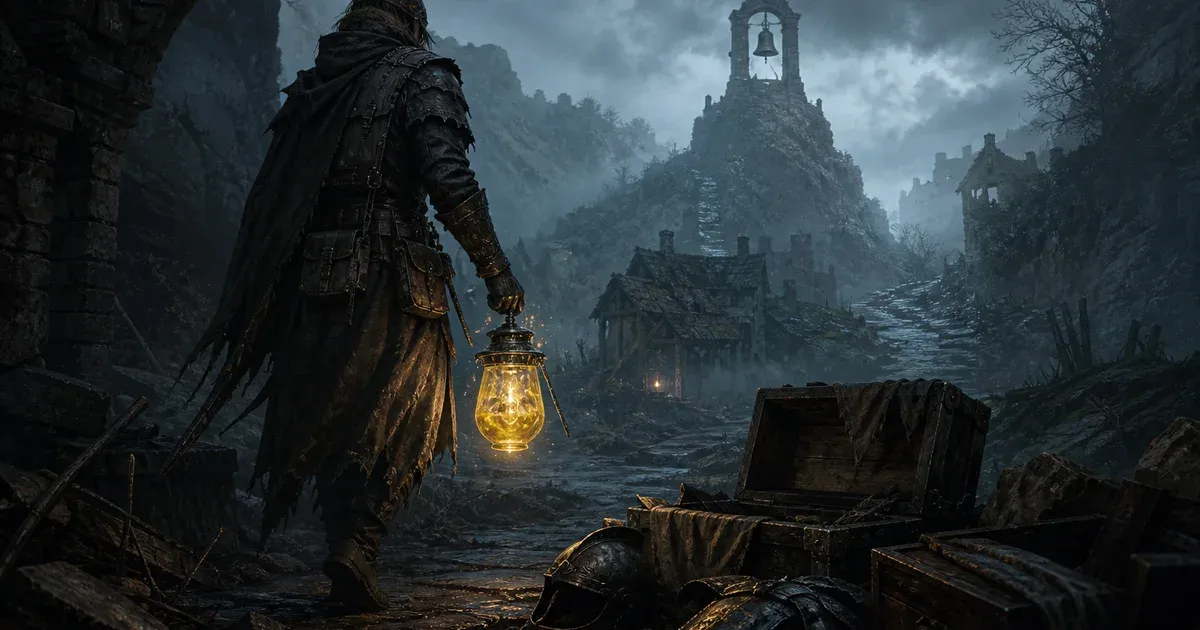
Gyldenblod is Mistfall Hunter’s main spendable currency. You collect part of it during raids, carry that amount in your Gyldjar, and secure it by extracting. The most reliable farm is not a single boss or room: it is a short loot route you can survive and repeat.
If you came here for the container rather than the currency, see the Gyldjar capacity and cosmetics guide.
What is Gyldenblod used for?
Gyldenblod pays for ordinary account and equipment progression. The reviewed material supports these uses:
| Use | What you pay for |
|---|---|
| Cazarro’s Shop | Gear, consumables, and other vendor purchases |
| Pip’s Auction House | Equipment listed by other players |
| Crafting and forging | Creation, upgrade, and service fees |
| Camp progression | Facilities such as the Warehouse, Workshop, and Gyldenblod Pool |
You can also turn extracted equipment into currency. Cazarro gives an immediate vendor return, while Pip’s Auction House may be more suitable for an item another player would value. Compare the options before selling a rare piece with useful affixes.
How do you farm Gyldenblod safely?
Use a simple loop: clear a compact area, loot nearby containers, keep equipment worth selling, and leave while the run is still profitable. Enemy kills do not always drop Gyldenblod, so routes with several loot sources are steadier than routes built around one target.
Clear ordinary enemies and containers together
Choose rooms where several basic enemies and chests sit close together. Ordinary enemies are usually faster and cheaper to clear than elites, and the nearby containers give the route another source of value.
Do not treat any room as a guaranteed farm. Spawns, other players, and your route through the map change the result. The useful metric is how often you extract, not the largest haul from one lucky run.
Treat tasks as loot routes
The collected guides conflict over whether tasks pay Gyldenblod directly. A creator’s route shows the safer interpretation: tasks can lead to reward chests and saleable equipment, but they should not be counted as guaranteed direct currency payments.
Take a nearby task when its reward route fits your exit plan. Crossing the map only for a speculative payout increases the time your carried haul remains at risk.
Sell equipment you do not need
Direct drops are only one part of the return. Extracted weapons, armor, and materials can become Gyldenblod after the raid.
- Sell duplicates and weak backup gear you will not use.
- Keep pieces that support an active build or fill a real equipment gap.
- Compare vendor value with likely Auction House demand before listing a rare item.
- Keep enough free space to avoid turning the Warehouse into the limit on your next run.
No item is permanently the “best” sale. Player demand and equipment balance can change after an update.
Extract before one more fight erases the run
Set an exit trigger before entering. A full Gyldjar is the clearest trigger, but a valuable equipment drop or camp material can justify leaving earlier.
One creator reported a higher-difficulty solo test of 11 runs with one failed extraction and no PvP fights. That is a case study, not a promised success rate. The useful lesson is the route’s priority order: ordinary containers, low-risk enemies, an available exit, then any optional extra loot.
Do you lose Gyldenblod when you die?
You lose the raid Gyldenblod still inside your Gyldjar if you die before extraction. The reviewed material distinguishes that carried amount from currency already secured at camp.
That makes survival part of the farming method. If another fight cannot add enough value to justify risking the current haul, leaving is the profitable choice.
How do Gyldenblod and the Gyldjar differ?
Gyldenblod is the currency; the Gyldjar is the raid container. Some English guides spell the currency “Gyldenblood” or expand the container name to “Gylden Jar,” but those are spelling variants, not extra resources.
One collected guide reports a starting Gyldjar capacity of 200. The Gyldenblod Pool raises that cap, although third-party upgrade tables disagree on exact level breakpoints and costs. Use the Gyldjar guide for the capacity distinction and cosmetic unlocks, and verify upgrade numbers against the live camp screen before spending materials.
Should you buy Gyldenblod from another website?
The collected search results include currency sellers rather than neutral game documentation. One seller’s own delivery page asks for Steam account access and an email verification code. Do not share account credentials or authentication codes with a third party.
The account-safe routes are the systems inside the game: raid and extract, sell surplus loot to Cazarro, or trade through Pip’s Auction House using your own account.
A repeatable Gyldenblod farming plan
- Enter with an exit threshold: a full Gyldjar, a required material, or one valuable saleable item.
- Route through compact groups of ordinary enemies and containers.
- Take nearby tasks for their loot path, not an assumed direct currency payout.
- Avoid an elite, boss, or PvP fight when its risk exceeds the value you still need.
- Secure an exit, extract, sell surplus gear, and repeat.
This plan will not maximize one screenshot-worthy run. It is designed to turn more raids into secured Gyldenblod instead of lost jars.